A Second Go at College
U.S. Army veteran proves the adage: If at first you don’t succeed – try, try again
By Anne T Denogean, Marketing, Communications and Strategic Outreach
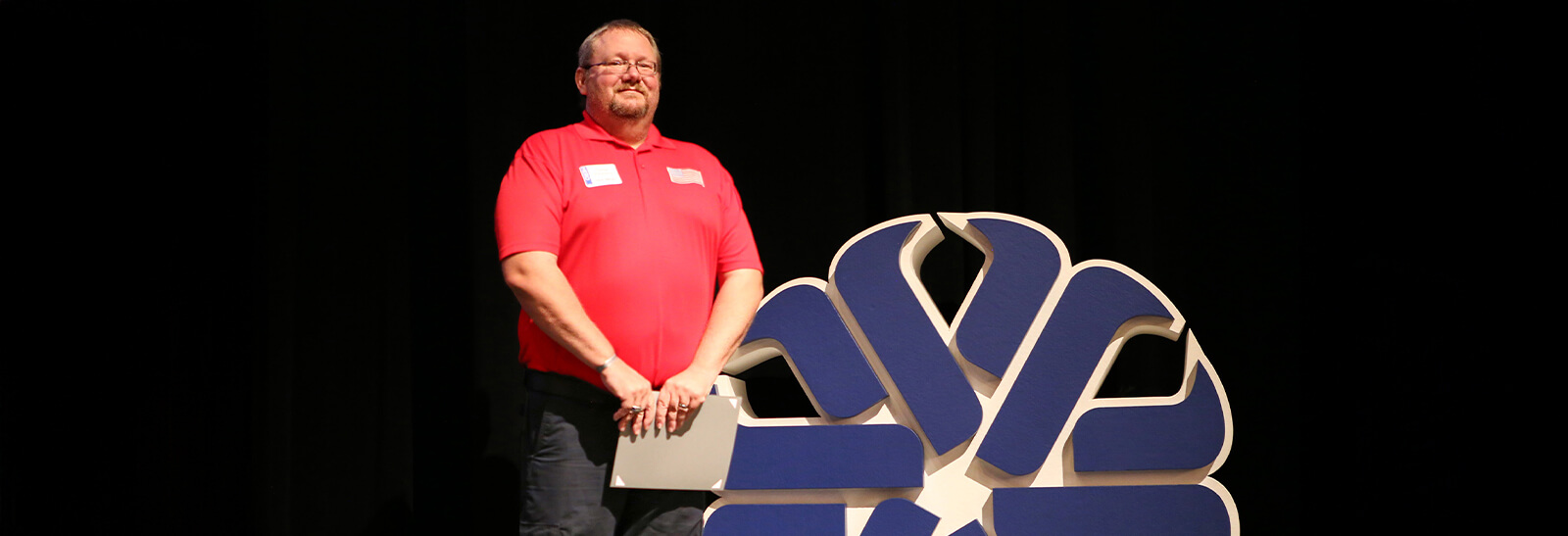
When Daniel Rowland first enrolled at Pima Community College in 2012, he was not ready.
That might sound surprising for someone who had spent 14 years in the Army, including combat deployments and serving as a squad leader. But transitioning from military life to college was harder than he expected.
“I’ll be honest, I wasn’t prepared,” Daniel said.
He was 30 at the time, older than many of his classmates and, in some cases, even his instructors. He wasn’t sure what he wanted to do or how college fit into his life. By the time he left Pima, he had two withdrawals and two Fs.
Finding Success at Pima
More than a decade later, Daniel enrolled again. This time, he made sure everything turned out different.
In May 2026, Dan earned an Associate Degree in Liberal Arts and an Arizona General Education Curriculum certificate. He had previously renewed his EMT certification through a national registry, building on training he first completed while deployed in Afghanistan.
The journey that began with abject failure is taking him somewhere he once wasn’t sure was possible. He finished his programs at Pima with all As and one B.
And he did it while working about 20 hours a week, volunteering with Student Veterans of America and serving as Cubmaster for his son’s Cub Scout pack.
“It has been a full-circle experience,” he said.
Enrolling in 2025
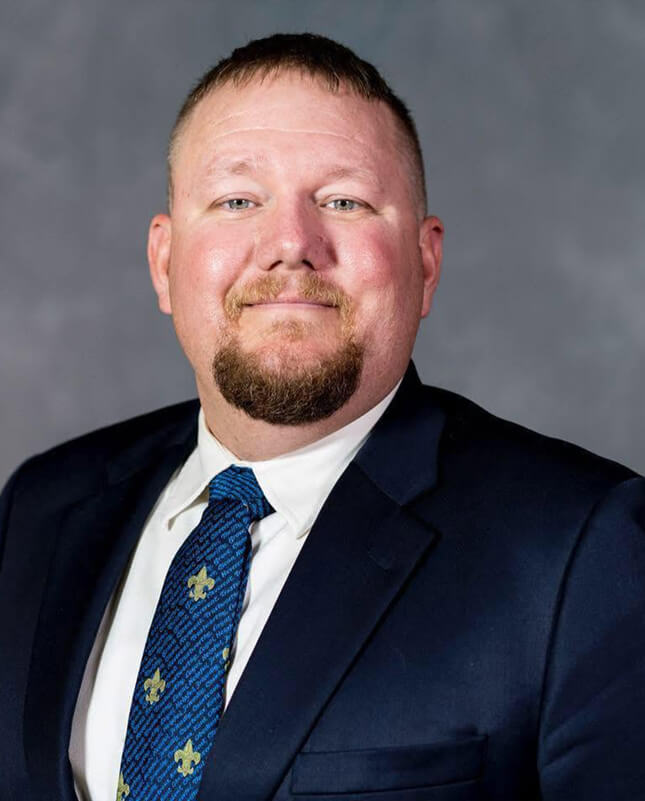
In January 2025, Daniel found himself at a crossroads. After his first stint at Pima, he had built a diverse career. He had worked in banking, spent time as an administrator for Boy Scouts of America, worked in emergency medical services and served as an elected Pima County constable. Now he wasn’t quite sure what came next.
But he still had VA education benefits.
“School classes start,” he remembers thinking. “Let’s go back to school.”
He started by retaking some of the classes he had struggled with in 2012. His goal was simple: clear those old courses off his record and start moving forward.
*“I definitely was more determined,” he said.
He treated school like a full-time job. Unlike his first experience at Pima, he had a clear plan for what he wanted to accomplish and why.
And there was another important difference. This time, Daniel found a community.
Finding Community
Daniel became active with Student Veterans of America and started spending time at Pima’s Veterans Centers. For the first time, he had a place on campus where he could connect with people who understood where he was coming from.
Many of the veterans he met were navigating college at the same time. Some became classmates, study partners and friends.
“We were forging those friendships and the ability to rely on each other based on more than just the fact that, ‘Oh, I happen to be sitting next to this person in this one class,’” Daniel said.
Daniel calls the Veterans Centers the best non-academic resource Pima offered him. No matter what campus he was on, he could stop in between classes to study, print something for class and talk with other students.
“It was a place where we could just go and be ourselves, relax and decompress a little bit,” he said. “It was a great way to just stay in the community at school with people that were going through the same stuff.”
That support helped make college feel less like something Danel was doing on his own.
“It was a place (Veterans Center) where we could just go and be ourselves, relax and decompress a little bit. It was a great way to just stay in the community at school with people that were going through the same stuff.”
New Challenges
Still, Daniel had to overcome some very practical challenges of returning to school after more than 20 years.
He had to relearn how to write a college paper, figure out the differences between MLA, Chicago and APA formats and adjust to a world where textbooks were often online rather than something he could hold in his hands.
“I liked having that ability to read it and highlight it and mark my notes in it, tab it, you know, whatever I needed to do to study for it. I still bought the printed textbooks when I could,” he said.
He also learned how important it was to organize his time. His STU 100 (Student Success) course helped him develop a system for managing school alongside work, family and everything else on his calendar.
For an adult learner with a wife, a son, work responsibilities and volunteer commitments, that was an important lesson. He only wishes he had taken it the first semester instead of waiting until his third semester.
“Putting all elements of my life into one package on my calendar was definitely one of the things that I learned,” he said.
Looking Ahead
Now Dan is already looking ahead. He is continuing his education at the University of Arizona, where he is pursuing a bachelor’s degree in emergency medical services, while also taking biology and math courses at Pima. He’s employed as a workforce trainer at Pima’s Public Safety and Emergency Services Institute (PSESI).
His goal is to become a remote park ranger with a state or federal agency. The EMS degree will strengthen his qualifications for those jobs and set him up with the skills that could be especially valuable in remote areas where emergency medical help may take longer to arrive.
Advice for Older Students
Daniel has some advice for other adult learners and veterans considering college.
If you know your end goal, he said, do your research. Determine what you need to accomplish along the way.
If you’re not sure of your goal, start with the foundational classes that will apply no matter what direction you eventually choose. And, he said, take advantage of courses like STU 100 early on to learn the skills that can help you succeed.
“Get yourself set up,” Daniel said.
Explore Your Options
Daniel's story shows that it's never too late to invest in yourself and your education. Explore our degress and certificates today.
Found something interesting? Apply Now